



1. Cat Disco Game Overview
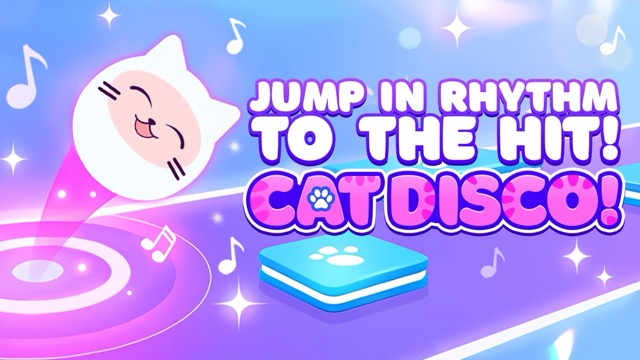
Cat Disco is a joyful, music-driven rhythm game that puts an adorable cat at the center of a colorful tile-jumping dance adventure. Each level is a different song, and your job is to jump your cat across a sequence of appearing tiles in perfect time with the beat — missing a tile or mistiming a jump breaks the rhythm combo that makes the game feel like you're not just playing along to music, but genuinely performing it.
The game's core appeal is the feeling of rhythmic flow it creates when everything goes right. When your jumps are precisely timed with the music, when the cat moves from tile to tile in a seamless sequence that matches the song's tempo, the experience stops feeling like a game and starts feeling like dancing. That sensation — being in sync with music through deliberate physical input — is what rhythm games at their best provide, and Cat Disco delivers it with a visual charm and musical personality that makes every level genuinely fun to replay.
The difficulty curve is accessible without being trivial. The control scheme is simple enough that new players can participate meaningfully from their first session, while the precision required for perfect combos — every jump timed exactly right, no missed tiles — provides experienced players a genuine skill ceiling worth working toward. The variety of song-specific levels ensures that musical taste and rhythm sensibility are both engaged, since different songs feel different to navigate even with identical mechanics.
Cute cat character design, vibrant colorful tile aesthetics, and the continuous audio-visual reward of an unbroken combo chain create an atmosphere that's warm, playful, and genuinely motivating to stay in. Cat Disco is rhythm gaming designed for everyone — pure musical fun from the very first jump.
Key Details:
- Genre: Rhythm / Music Game / Casual
- Difficulty Level: Easy to Medium (precision timing depth rewards repeated play)
- Average Play Time: 5–15 minutes per session
- Best For: Fans of rhythm and music games, players who enjoy timing-based challenges with satisfying visual feedback, anyone who wants a cheerful, music-driven gaming experience accessible to all ages
2. How to Play Cat Disco
Getting Started:
1. Select a level — each level corresponds to a different song, with its own tile sequence and rhythm pattern.
2. As the music begins, watch for tiles appearing along the cat's path and tap or click to jump onto each one in time with the beat.
3. Keep your jumps rhythmically timed with the music — early or late inputs break your combo chain.
4. Maintain a perfect jump sequence through the entire song to achieve maximum score and unlock the next level.
5. Replay songs to improve your timing accuracy, memorize tile sequences, and push your combo count higher.
Basic Controls:
- Mouse Click (Desktop) — control the direction of the cat's jump with each click
- Screen Tap (Mobile/Tablet) — tap in rhythm to make the cat jump to the next tile
Objective:
Jump across every tile that appears during the song, keeping perfect rhythmic timing with the music to maintain a continuous combo chain. Complete the full song without missing a tile or breaking the rhythm to achieve the highest possible score. Unlock new songs by completing current levels, expanding your musical adventure through Cat Disco's growing track list.
3. Cat Disco Features & Highlights
- Music-Synchronized Tile Jumping — Every level's tile pattern is choreographed to a specific song, creating the sensation of performing music through your jump inputs rather than simply navigating an obstacle course
- Song-Specific Level Design — Each level corresponds to a different track with its own tempo, rhythm pattern, and tile sequence, keeping the experience musically fresh and engaging across the full song library
- Combo Chain Reward System — Consecutive perfect-timing jumps build a combo multiplier that amplifies your score and creates the audio-visual feedback loop that makes rhythm flow feel genuinely euphoric
- Accessible Multi-Platform Controls — Mouse-click desktop controls and tap-based mobile controls both deliver the same precise rhythm input experience with no mechanical advantage either way
- Replayable Level Design — Perfect runs require both precise timing and song familiarity, making each replay a meaningful improvement opportunity that rewards dedicated rhythm practice
4. Cat Disco Tips & Strategies
Beginner Tips:
- Listen to the music rather than watching only the tiles: The tiles are visual cues, but the music is the actual timing source. Players who tap in response to what they see often run slightly behind the beat; players who tap in response to what they hear naturally sync with the rhythm. Train yourself to feel the beat first and let the visual tiles confirm your timing.
- Maintain a steady rhythm rather than reacting to each tile individually: Cat Disco's levels are built on consistent musical tempos — most songs have a regular beat that tiles appear on. Finding and internalizing that tempo lets you anticipate tile appearances rather than reacting to them, which is the difference between comfortable rhythm play and anxious reactive play.
- Start with slower-tempo songs to build rhythm intuition: Faster songs compress the timing window between tiles, making precise input more demanding. Building rhythm intuition on slower songs first establishes the core timing sense that makes faster songs tractable when you eventually approach them.
Advanced Strategies:
- Memorize tile sequences through repeated play of the same song: Cat Disco levels are consistent — the same song always has the same tile sequence. Players who replay a song multiple times develop memory of where tiles appear before they're visible on screen, enabling anticipatory jumps that are more reliably timed than reactive ones.
- Focus on the beat preceding each tile, not the tile itself: Perfect timing means the jump input arrives exactly when the tile should be landed on — which requires initiating the jump slightly before the tile appears at full size. Experienced rhythm game players develop the reflex of triggering inputs one beat ahead of the visual target rather than at the moment of visual appearance.
- Play with audio at consistent volume across sessions: Rhythm timing is calibrated to audio cues, and changes in audio volume can subtly shift your intuitive timing sense. Playing Cat Disco at a consistent volume level — and ideally with headphones for the cleanest beat perception — produces more consistent timing results than variable-volume play.
What to Watch Out For:
- Tapping too quickly during faster passages: Fast sections of a song create the instinctive response to tap faster, which often means tapping ahead of the beat rather than on it. The tempo is fixed by the song — your job is to match it precisely, not accelerate to match your anxiety about upcoming tiles. Trust the rhythm and let the beat guide your pace.
- Losing the rhythm after a missed tile: Missing a tile and trying to immediately correct by tapping frantically to "catch up" almost always causes additional misses in rapid succession. After a miss, take a breath, find the song's beat again, and re-enter the rhythm cleanly rather than reactively — a composed re-entry loses far fewer combo points than a panicked catch-up sequence.
5. Cat Disco Game Elements Explained
Music Synchronization & Tile System
The music synchronization system is the mechanic that defines Cat Disco's identity and distinguishes it from standard platformer or jump-timing games. Unlike games where timing is measured against a neutral internal clock, Cat Disco ties every tile appearance and jump evaluation directly to the audio track playing in each level — the music is the game's timing authority, and the tile sequence is a visual representation of that music's rhythmic structure. When the synchronization is working well — when your jumps are landing exactly with the beat — the gameplay feels less like obstacle navigation and more like instrument performance. This is the sensation that rhythm games uniquely produce, and Cat Disco's accessible implementation makes it achievable for players without extensive rhythm game backgrounds. The song-specific tile choreography means that each track feels genuinely different to play despite using identical mechanics — a fast-tempo track creates a rapid succession of tight timing windows, while a slower track demands sustained attention over longer inter-tile gaps. This musical variety is what keeps Cat Disco's level library engaging rather than repetitive.
Combo System & Score Architecture
The combo system is Cat Disco's primary performance measurement and the reward mechanism that makes perfect-timing play feel significantly better than merely functional play. A combo accumulates with each consecutive jump that lands in perfect rhythmic timing with the music — breaking the combo by missing a tile or timing a jump outside the acceptable window resets the multiplier. Higher combo counts amplify the score value of each subsequent tile landed, meaning that the back half of a perfectly played song is worth substantially more than the front half at equal individual tile values. This back-loading creates a powerful incentive to protect the combo: the longer a combo has been running, the more each additional tile is worth, and the more costly a miss becomes in terms of total score. Players who understand this dynamic shift their strategic priority from "collect every tile" to "protect my combo above all else" — an important mental reframe that usually improves overall scores because it prioritizes timing accuracy over desperate reach-for-every-tile behavior that breaks rhythmic flow.
Level Progression & Song Unlock System
The level progression system structures Cat Disco's musical adventure through a sequenced song library that balances accessibility with discovery. Completing each level — finishing the full song with at least a minimum performance threshold — unlocks subsequent tracks, expanding the available musical repertoire progressively. This gated progression serves two purposes: it ensures players develop rhythm intuition on accessible early tracks before being exposed to the timing demands of faster or more complex later songs, and it gives each new unlock the feeling of earned musical discovery rather than a menu selection. The replayability of individual levels is built into the design — since perfect runs require both precise timing and song familiarity, and since higher combo scores reward replays with better performance outcomes, returning to already-unlocked songs to improve your score is mechanically incentivized throughout the experience. The combination of forward progression through new song unlocks and backward engagement through score improvement on completed levels gives Cat Disco a satisfying dual-direction engagement structure that keeps the game interesting across many more sessions than a simple linear unlock system would support.
6. Cat Disco FAQ
Q: How do I control the cat's jumps in Cat Disco?
A: On desktop, use your mouse to click in the direction you want the cat to jump — the click timing determines whether your jump lands on the tile rhythmically. On mobile and tablet, tap the screen in the jump direction at the moment that matches the music's beat. Both control methods use the same timing mechanic — the click or tap needs to arrive in rhythmic sync with the music for the jump to register as a perfect-timing input.
Q: What should I do if I keep missing tiles?
A: The most common cause of consistent misses is reacting to the visual tiles rather than listening to the music. Focus on finding and internalizing the song's beat first — tap along with the audio without looking at the tiles at all to find your natural rhythmic response to the track. Then, with that tempo internalized, let your taps be guided by the beat rather than triggered by the visual appearance of each tile. Also consider replaying the same song multiple times to build tile sequence familiarity that allows anticipatory rather than reactive jumps.
Q: How do I unlock new songs in Cat Disco?
A: New songs unlock by completing the current available level — finishing the full song with a sufficient performance threshold clears the level and opens the next track in the progression sequence. Focus on completing each song cleanly before attempting to achieve perfect combo scores, as completion is the unlock trigger regardless of combo performance. Once a song is unlocked, return to it as often as you like to improve your score and practice the timing patterns.
Q: Is Cat Disco suitable for players who aren't experienced with rhythm games?
A: Yes — Cat Disco is specifically designed to be accessible to players without rhythm game backgrounds. The control scheme is minimal (click or tap in the jump direction), the visual cues are clear and colorful, and the early song selections are calibrated to manageable tempos for developing rhythm intuition. New players will find that a few minutes of play is enough to grasp the core mechanic, and the feeling of rhythmic flow that comes with improved timing is rewarding enough to motivate continued practice without requiring prior rhythm gaming experience.
Q: Does replaying a song improve my performance in Cat Disco?
A: Yes — significantly. Cat Disco levels are consistent (the same song always has the same tile sequence), meaning each replay builds familiarity with the specific tile patterns of that track. Familiarity with tile sequences enables anticipatory jumps — landing on tiles before they're fully visible because you know they're coming — which are more reliably timed than reactive jumps. Players who replay their favorite songs multiple times consistently achieve higher combo counts and better scores than those who play each song only once, making replay a genuinely productive practice investment rather than mere repetition.
7. Games Like Cat Disco
If you like Cat Disco, you might also enjoy:
- Poor Bunny - It shares the fast, replayable arcade feel with simple controls and timing pressure.
- Capybara Clicker - It keeps the cheerful animal theme while shifting into idle clicker progression.
- Brain Test - It offers another casual short-session challenge with easy controls and repeated attempts.