







Live gardenhorizons.io

Garden Horizons - Play Online

Browser Fan Hub Farming - Simulation

New Drops

See all

Game Description

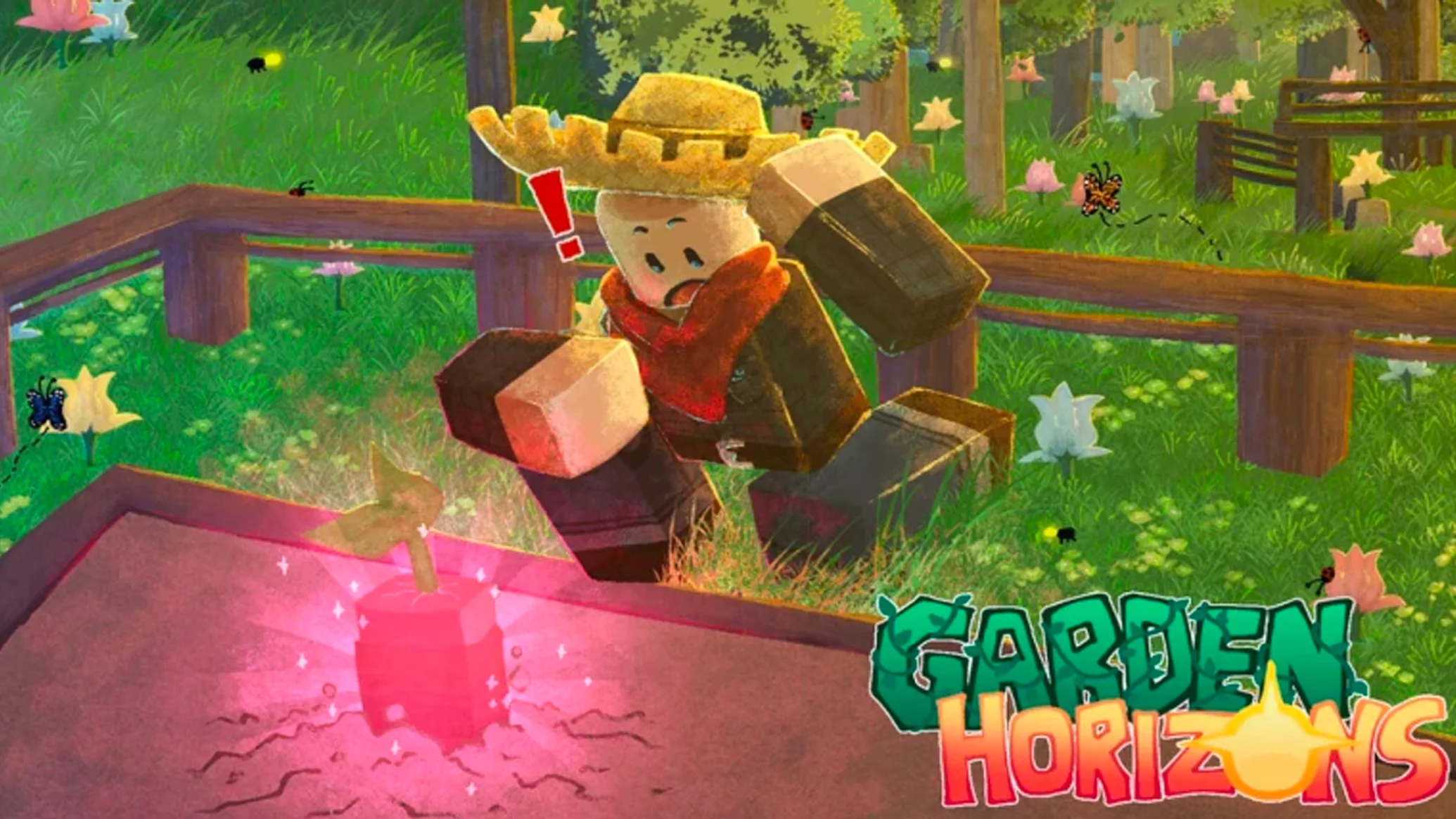
Garden Horizons artwork

Garden Horizons - Peaceful Farming, Rewarding Progression

Plant. Harvest. Grow. Welcome to gardenhorizons.io.

Garden Horizons is a relaxed farming game developed by Dawn Digital where patience and smart planning lead to a thriving garden. Buy seeds, tend your crops, watch the weather for rare mutations, and steadily expand your plot into something worth being proud of. There's no theft, no griefing, and no pressure - just the satisfying rhythm of growth, collection, and progression done at your own pace.

This site is your starting point. Whether you're picking up the game for the first time or looking for a faster way to reference seeds, quests, gear, and mutations without digging through scattered posts, gardenhorizons.io keeps everything in one readable place.

What Is Garden Horizons?

Released on February 22, 2026, Garden Horizons is a farming simulation built around four core pillars: seed selection, harvest timing, weather awareness, and steady garden expansion.

The loop is easy to learn but genuinely rewarding to optimize. You start with a small plot, purchase seeds from the Seed Shop or Seed Packs, and wait for crops to mature. Harvesting at the right stage returns stronger shilling values - and when rain, star showers, or other sky events arrive, mutations can push those values dramatically higher.

What makes Garden Horizons distinct is its tone. Growth and collection take center stage. There are no systems designed around taking from other players, which means sessions stay calm, focused, and easy to return to day after day.

How to Play Garden Horizons

Getting started is straightforward. Here's what to focus on from your first session:

  • Begin with your starter plot. Visit the Seed Shop, browse available Seed Packs, or apply any active redeem codes to get your first crops in the ground.
  • Time your harvests. Crops become more valuable as they reach full maturity. Collecting too early leaves shillings on the table.
  • Pay attention to weather events. Rain, star showers, and special sky conditions can trigger mutations that significantly raise harvest value.
  • Reinvest your shillings wisely. Sprinklers, trowels, protectors, and other utility gear make each cycle smoother and more efficient.
  • Follow your quest log. Daily and weekly quests provide clear goals, while the Flora Diary tracks long-term collection progress.

Game Features

  • Relaxed, pressure-free farming. Garden Horizons is built around growth and progression, not competition.
  • Dynamic weather and mutation system. Sky events interact with crops and can completely change what a harvest is worth.
  • Practical gear and upgrades. Sprinklers, trowels, protectors, and more give you meaningful ways to improve farm efficiency.
  • Quests, badges, and collection goals. Daily quests, weekly challenges, seed discoveries, and Flora Diary milestones keep sessions moving forward.
  • Console availability. Garden Horizons is playable on PS4, PS5, Xbox One, and Xbox Series X/S in addition to its primary platform.

Why Use gardenhorizons.io?

gardenhorizons.io is a fan-made reference hub designed to make your time with Garden Horizons more efficient and enjoyable. Instead of hunting through community posts, reposts, or unofficial copies, this site brings the essentials together in one clean, readable location.

  • One starting point for everything. Game access, beginner guidance, gear notes, seed references, mutation tips, and quest information are organized here.
  • Honest, readable reference content. Notes are written to be clear and genuinely useful without the noise.
  • Broader game discovery. The site also features farming, gardening, idle, puzzle, and casual browser picks.

Frequently Asked Questions

What is Garden Horizons?

Garden Horizons is a peaceful farming simulation developed by Dawn Digital. Players plant seeds, manage crops across growth stages, watch for weather-driven mutations, and steadily expand their garden using shillings earned from each harvest.

How do I get rarer crops or better harvest value?

Monitor the Seed Shop's rotating stock and pick up Seed Packs when available. More importantly, pay close attention to weather windows because rain, star showers, and sky events can significantly increase the value of crops already growing on your plot.

Is there any stealing or player-vs-player griefing?

No. Garden Horizons is explicitly designed as a relaxed, progression-focused experience. There are no theft systems, raid mechanics, or competitive pressures of that kind.

Is Garden Horizons available on consoles?

Yes. The game is available on PlayStation 4, PlayStation 5, Xbox One, and Xbox Series X/S.

What should a new player prioritize first?

Establish a reliable harvest loop before spending shillings on anything else. Once planting, timing, and collecting feel consistent, invest in upgrades that save the most time per cycle, then build quest completion into your routine.

Garden Guide

Seeds, Mutations, Gear, Quests, Shillings, and Beginner Tips

Use these expandable notes when you want more than the short game description. Each guide is grouped by topic so the homepage stays easy to scan.

Seed Guide Choose better seeds by source, value, and farm stage.

Seeds are the foundation of everything in Garden Horizons. The seed you choose, where you source it, and how well you time its growth cycle determines the shilling value of every harvest — and over dozens of cycles, those differences compound into a significant gap between a struggling farm and a thriving one.

Where to Get Seeds

Seed Shop. The primary source for everyday seeds. The Seed Shop rotates its stock on a regular schedule, so checking in frequently pays off — better varieties appear and disappear, and buying at the right rotation can give your next harvest cycle a meaningful value advantage over picking whatever happens to be available.

Seed Packs. A reliable way to access rarer seed varieties that don't appear consistently in the standard Seed Shop. Packs introduce an element of discovery, and the seeds inside often carry stronger base values or more favorable mutation potential than their shop equivalents.

Redeem Codes. Active codes distributed through Dawn Digital's official channels occasionally reward players with seeds, packs, or shillings. These are worth claiming promptly — codes have expiry windows and may not remain active for long after release.

Understanding Seed Value

Not all seeds are created equal, and the difference between seed tiers is more significant than it might appear early in the game. Higher-tier seeds produce crops with stronger base harvest values, better mutation potential when weather events align, and faster returns on your shilling investment. As your farm becomes more established and your shilling income grows, transitioning away from starter seeds toward mid and upper-tier varieties should be a deliberate priority rather than an afterthought.

Seed Selection Strategy

In the early game, prioritize seeds with reliable growth cycles over those with high ceiling values. Consistency matters more than peak potential when your plot is small and your shilling reserves are limited. A seed that reliably completes its cycle and yields a predictable harvest is more valuable to a new player than a premium seed that demands specific weather conditions to reach its full worth.

In the mid and late game, once sprinklers and other time-saving gear are in place, shift your focus toward seeds with stronger mutation potential. These seeds respond more dramatically to weather events, meaning the upside of a well-timed harvest during a star shower or rain window becomes significantly greater than the same event applied to a basic seed.

Key Seed Tips

  • Check the Seed Shop at every rotation, not just when you've run out of seeds to plant.
  • Don't overlook Seed Packs as a complement to shop purchases — the rarer varieties inside often outperform their cost over a full growth cycle.
  • Match your seed selection to your current upgrade level. A premium seed planted on an unupgraded plot without sprinklers or weather awareness often underperforms a mid-tier seed managed carefully.
  • Redeem codes when active — even a small seed bonus early in your farm's development can meaningfully accelerate your first upgrade purchases.
Mutations & Weather Events Time crops around rain, star showers, and other sky events.

The mutation system is Garden Horizons' most distinctively rewarding mechanic — the layer of the game that rewards observation, patience, and timing over simple plot expansion. A well-timed mutation during the right weather event can raise a crop's harvest value dramatically, turning an ordinary cycle into one of the most profitable runs your farm has ever had.

How Mutations Work

Mutations are enhancements that apply to crops currently growing on your plot during specific weather conditions. They don't trigger automatically or at random — they require two things to align: a weather event of the right type must be active, and your crops must be in the ground and growing when that event occurs. Crops harvested before a weather window opens miss the mutation entirely; crops planted after a window closes can't catch the effect retroactively. This timing dependency is what makes weather awareness a genuine skill in Garden Horizons rather than a passive background feature.

The result of a successful mutation is a measurable increase in a crop's harvest value. Depending on the seed type and the weather event involved, mutation effects can be modest or dramatic — in the best cases, a mutated harvest returns several times the shilling value of the same crop grown under ordinary conditions.

Weather Event Types

Rain. The most frequently occurring weather event in Garden Horizons. Rain mutations are accessible to most seed types and provide a reliable value boost across your growing crops. While rain mutations rarely reach the ceiling of rarer events, their frequency makes them the most consistently exploitable weather condition — especially for new players learning to time harvests around weather windows.

Star Showers. Less frequent than rain but significantly more impactful when they occur. Star showers create mutation conditions that raise crop values more dramatically, and certain seed types respond to star showers with particularly strong enhancement effects. Building your planting schedule to have mature or near-mature crops in the ground when a star shower arrives is one of the highest-value strategic habits you can develop.

Other Sky Events. Garden Horizons includes additional weather and atmospheric events beyond rain and star showers. Each carries its own mutation profile — some enhance specific seed types more than others, and some produce effects that don't appear under any other conditions. Paying attention to less common events and experimenting with which seeds respond most strongly is part of what makes the mutation system genuinely deep over extended play.

Timing Your Harvests Around Weather

The fundamental timing principle in Garden Horizons is this: if a weather event is approaching or active, and your crops are near maturity, waiting for the weather window to apply its mutation before harvesting will almost always yield more shillings than collecting early.

The practical habit this creates is checking weather conditions before initiating a harvest. If conditions are calm with no events active or imminent, harvesting at peak maturity is correct. If a rain event is close, waiting an additional cycle before collecting is often worth the delay. If a star shower is on the horizon, planning your planting schedule so that crops reach maturity during — rather than before or after — the event delivers the best possible harvest value.

Mutation Tips

  • Never harvest actively growing crops immediately before a visible weather event unless your shilling situation is urgent — the mutation bonus nearly always outweighs the time cost of waiting.
  • Keep track of how frequently different events occur on your farm. Rain appears regularly; plan around it. Star showers are rarer; treat them as priority timing windows.
  • Match your planting timing to known or anticipated weather cycles. Planting with enough lead time for crops to mature during an upcoming event is the most reliable way to capture mutations consistently.
  • Some seeds respond more strongly to specific weather types. As you discover these affinities through play, use them deliberately — plant your most weather-responsive seeds before the events they benefit from most.
Gear & Upgrades Prioritize tools that save time and improve every cycle.

The gear system in Garden Horizons is built around a simple principle: every upgrade should save you more time than it costs. The right tools at the right stage of your farm's development smooth out each harvest cycle, reduce the effort required per shilling earned, and free you to focus on the higher-level decisions — seed selection, weather timing, quest completion — that drive long-term progression.

Core Gear Explained

Sprinklers. The single most impactful early upgrade available in Garden Horizons. Sprinklers handle the watering requirements of your growing crops automatically, reducing the hands-on time each cycle demands and ensuring crops develop at their intended pace without manual intervention. For new players building their first consistent harvest loop, a sprinkler should be the first significant shilling investment — its time savings pay dividends across every subsequent cycle.

Trowels. A quality trowel improves planting efficiency, reducing the effort and time required to seed your plot at the start of each cycle. On a small early-game plot the difference is modest, but as your farm expands and the number of seeds you're planting per cycle grows, a better trowel becomes meaningfully valuable — less time planting means more time for the other activities that keep your farm productive.

Protectors. Protectors shield growing crops from conditions or events that would otherwise damage or reduce their harvest value. Investing in protectors before expanding to a larger plot provides a quality floor for your harvest — even when conditions aren't ideal, your crops return a reliable value rather than being subject to unpredictable losses. Protectors are especially valuable for players who plant premium or weather-sensitive seeds that represent a significant shilling investment per cycle.

Utility Gear. Beyond the core three, Garden Horizons includes a range of additional utility items that address specific aspects of the farming cycle. Each piece of utility gear is designed around a particular efficiency gap — reducing the cost of a specific step, improving the quality of a specific output, or enabling a specific approach to farm management that isn't possible without it. As your farm develops, the utility gear category rewards exploration — trying different combinations to find the configuration that fits your current farm size, seed selection, and play style.

Upgrade Priority Guide

Early game (first plot, limited shillings): Sprinkler first, always. The time and management savings it provides immediately improve every subsequent cycle and accelerate your path to the next upgrade tier.

Mid game (established harvest loop, growing plot): Invest in trowels once your plot has expanded enough that planting time is a noticeable portion of each cycle. Add protectors when you're consistently planting mid or upper-tier seeds that represent meaningful shilling investments worth protecting.

Late game (large plot, premium seeds, active weather timing): Focus on utility gear that specifically supports your current strategy. If you're prioritizing mutation harvests, gear that complements weather-timing approaches becomes high value. If you're optimizing for throughput, efficiency-focused upgrades that reduce cycle time take priority.

Gear Tips

  • Don't delay the sprinkler purchase in favor of more seeds. The management relief it provides accelerates your overall progression more than an equivalent shilling investment in additional seed stock.
  • Upgrade gear in response to your current bottleneck. If planting is taking up a disproportionate share of your session time, the trowel is your next purchase. If you're losing crop value to adverse conditions, the protector is.
  • Revisit the gear menu regularly as your farm grows — items that weren't cost-effective at an earlier stage often become strong investments once your plot size and harvest volume have scaled.
Quests & Flora Diary Use daily goals and collection progress to guide long-term play.

The quest system and Flora Diary are the structural backbone of long-term play in Garden Horizons. Quests provide short and medium-term goals that keep each session purposeful and rewarding, while the Flora Diary turns your growing collection into a visible, trackable record of everything your farm has produced and achieved.

Daily Quests

Daily quests refresh every 24 hours with a new set of farming objectives — planting specific seed types, harvesting at particular growth stages, using certain gear, or achieving specific shilling totals within the day. Completing them earns quest rewards that complement your standard harvest income: additional seeds, shillings, gear items, or other progression resources that would otherwise require several extra harvest cycles to accumulate.

The habit of checking and completing daily quests before ending each session is one of the simplest high-value practices in Garden Horizons. The rewards are consistent, the objectives are achievable within a normal play session, and the cumulative benefit of completing daily quests over weeks of play adds up to a significant advantage in farm progression.

Weekly Quests

Weekly quests operate on a longer timeline with correspondingly larger objectives and rewards. They typically involve goals that span several harvest cycles — growing a certain total number of crops, achieving a cumulative shilling target, or completing a sequence of related farming activities across multiple sessions. Weekly quest rewards often include items or resources that are more difficult to obtain through standard play, making completion genuinely worth planning around.

The most effective approach to weekly quests is reviewing them at the start of each week and incorporating their objectives into your normal farming routine. A weekly quest that asks for a large harvest total is most easily satisfied by simply playing consistently and letting ordinary cycles accumulate — rather than treating it as a separate task requiring special effort.

Flora Diary

The Flora Diary is Garden Horizons' long-term collection and achievement system. It records every crop variety you've grown, every mutation you've achieved, every badge you've earned, and every significant farming milestone your plot has reached. Functionally, it's a personal history of your farm's development — a way to see at a glance how far you've come and what you haven't yet accomplished.

Beyond its record-keeping function, the Flora Diary serves as a goal-generation system. Each unfilled entry is a reminder of a seed variety not yet grown, a mutation not yet achieved, or a milestone not yet reached — providing an organic source of long-term objectives that extend your engagement with the game well beyond the immediate quest log. Players who engage with the Flora Diary actively tend to develop more diverse farming strategies, because pursuing its entries encourages experimenting with seed types and weather conditions that a purely efficiency-focused approach might never touch.

Quest and Flora Diary Tips

  • Check your daily quests at the start of every session and orient your planting decisions around completing them. The small adjustment required to align your farming with quest objectives is almost always worth the reward.
  • Review weekly quests on reset day and plan the week's farming around any objectives that require specific activities — particularly those involving weather timing or specific seed types.
  • Use the Flora Diary as your guide for what to try next. If an entry has been unfilled for a long time, it's usually an invitation to experiment with a seed type or weather window you've been avoiding.
  • Badge collection within the Flora Diary provides additional progression milestones that feel meaningfully different from quest completion — they reward the breadth of your farming experience rather than specific activities.
Shillings Guide Earn, protect, and reinvest your main currency more efficiently.

Shillings are Garden Horizons' primary currency — earned through harvesting, spent on seeds and gear, and managed across every decision that shapes your farm's development. Understanding how to earn shillings efficiently and spend them strategically is the financial skill that separates farms that grow steadily from those that plateau after a promising start.

How to Earn Shillings

Harvesting crops. The core income source in Garden Horizons. Every completed harvest cycle returns shillings based on the crop type, its growth stage at harvest, and whether any mutations applied during the cycle. Harvesting at peak maturity returns more than early collection; mutated crops return significantly more than unmutated equivalents of the same variety.

Quest rewards. Daily and weekly quests supplement harvest income with shilling rewards for completing specific objectives. These rewards are reliable and consistent — treating quest completion as a standard part of each session meaningfully increases your shilling intake without requiring any additional farming effort beyond what you'd be doing anyway.

Seed Packs and redeem codes. Occasionally provide direct shilling rewards in addition to or instead of seed items. Worth monitoring if your current priority is income rather than seed variety.

How to Spend Shillings Wisely

The most common shilling management mistake in Garden Horizons is over-investing in seed stock before the farming infrastructure to support it is in place. Buying premium seeds without the gear to manage them efficiently results in cycles that underperform their potential — valuable seeds grown on an unupgraded plot return less per shilling invested than mid-tier seeds grown with good gear and proper timing.

The correct spending priority sequence for most players:

First, establish your core gear foundation. A sprinkler should be your earliest significant purchase — its cycle-time savings immediately improve the return on every subsequent seed investment. Protectors and trowel upgrades follow as your plot grows and your seed investment per cycle increases.

Second, invest in seed quality once your gear foundation is established. With sprinklers managing watering automatically and protectors providing a quality floor for each harvest, higher-tier seeds can perform at their intended value rather than being undermined by management inefficiency.

Third, expand your plot when your per-cycle income can support the additional seed and maintenance costs the larger plot requires without creating cash flow problems between harvests.

Finally, use shillings on utility gear and specialized upgrades that address specific efficiency gaps in your current farm configuration — the right utility item at the right time pays for itself quickly.

Shilling Management Tips

  • Never spend your entire shilling reserve on seeds between cycles. Maintaining a buffer ensures you can respond to a good gear deal, an attractive Seed Shop rotation, or an unexpected cost without disrupting your farming rhythm.
  • Calculate the return on upgrade investments before making them. A sprinkler that saves 10 minutes per cycle across 20 cycles has already paid for itself many times over in both time and the additional harvest completions that time enables.
  • Track your average shilling return per cycle as your farm develops. If that number isn't growing steadily, it's a signal that your next investment should go toward an efficiency upgrade rather than more seeds.
  • Weather-timed harvests are your highest-value income events. When a strong weather window is approaching, it's worth delaying a gear purchase to ensure you have premium seeds in the ground to capture the mutation bonus.
Beginner Tips Start with a stable loop before expanding too quickly.

Starting a new farm in Garden Horizons can feel open-ended — there are seeds to consider, gear to buy, quests to follow, and weather to watch, all at once. These tips cut through that initial complexity and give you a clear set of priorities for your first sessions.

Build Your Loop Before You Expand

The most important early habit in Garden Horizons is establishing a reliable, repeatable harvest cycle before spending shillings on expansion or premium upgrades. A small, well-managed plot that completes consistent cycles builds a stronger financial foundation than a larger plot managed inefficiently. Once your loop is running smoothly — plant, tend, time the harvest, reinvest — scaling it up becomes straightforward rather than overwhelming.

Buy the Sprinkler First

If you take one piece of advice from this guide, make it this one. The sprinkler is the most impactful early upgrade in the game. It automates the watering step of each cycle, reduces the hands-on time required per harvest, and ensures your crops develop at the intended pace without requiring your attention between planting and harvest. Every session becomes more productive once a sprinkler is in place — and the shilling investment it requires is recovered quickly through the improved cycle efficiency it provides.

Don't Harvest Too Early

Patience is a genuine skill in Garden Horizons. Crops harvested before full maturity return significantly fewer shillings than crops collected at their peak growth stage. In the early sessions, when the temptation to collect quickly is strongest, resisting early harvests and waiting for the right moment is one of the highest-value disciplines you can develop. The difference compounds — five or ten extra harvest cycles' worth of full-maturity returns add up to a meaningful shilling advantage over time.

Start Watching the Weather Immediately

Weather events and mutations aren't an advanced mechanic — they're a core part of the game's value system that benefits you from the very first session. Even with starter seeds on a small plot, a rain event or star shower during an active growth cycle produces a noticeably better harvest. Getting into the habit of checking weather conditions before harvesting — and waiting for an active event if one is close — is something every player should establish early rather than treating as a later-game refinement.

Follow the Quest Log

Daily quests exist partly to teach new players what the game rewards. In your first sessions, treat the quest log as a guided introduction to Garden Horizons' mechanics — it will naturally direct you toward planting specific seeds, timing harvests thoughtfully, and using gear effectively as part of its normal objective structure. The rewards are genuinely useful for early progression, and the activities the quests ask for are almost always things you should be doing anyway.

Spend Shillings on Efficiency, Not Just Seeds

New players often spend their first significant shilling earnings on more and better seeds without first building the gear foundation that makes those seeds perform at their potential. A sprinkler purchased early returns more total value — through time savings, consistent crop development, and improved cycle throughput — than an equivalent shilling investment in premium seeds planted on an unupgraded plot. Think of early gear purchases as multipliers on all your future seed investments.

Check the Seed Shop Regularly

The Seed Shop rotates its stock, and the difference between what's available at one rotation versus the next can be significant. Making a habit of checking the shop each time you log in — even if you're not planning to buy — ensures you don't miss a rotation that includes a seed variety meaningfully better than what you're currently growing. Good seed selection at the right rotation can improve several consecutive harvest cycles without any other change to your farm.

Use the Flora Diary as a Roadmap

The Flora Diary fills in as you play — each new crop variety grown, each mutation achieved, each milestone reached adds another entry. In your early sessions, use the unfilled entries as a low-pressure guide to what to try next. Garden Horizons rewards variety and experimentation, and the Flora Diary is the game's built-in encouragement to branch out beyond the seeds and strategies you're most comfortable with.

Key Beginner Reminders

  • A small, consistent plot outperforms a large, poorly managed one in the early game. Grow before you expand.
  • The sprinkler is your most important first purchase. Prioritize it.
  • Full-maturity harvests always outperform early collection. Learn patience early.
  • Weather conditions before a harvest are worth checking every time — mutations are free value for crops already in the ground.
  • Daily quests are reliable, achievable, and worth completing every session.
  • Keep a shilling buffer. Never spend your full reserve between cycles.